
Analysis
4 days ago
Russia courts India as Arctic route offers a Suez alternative
Northern Sea Route gains traction
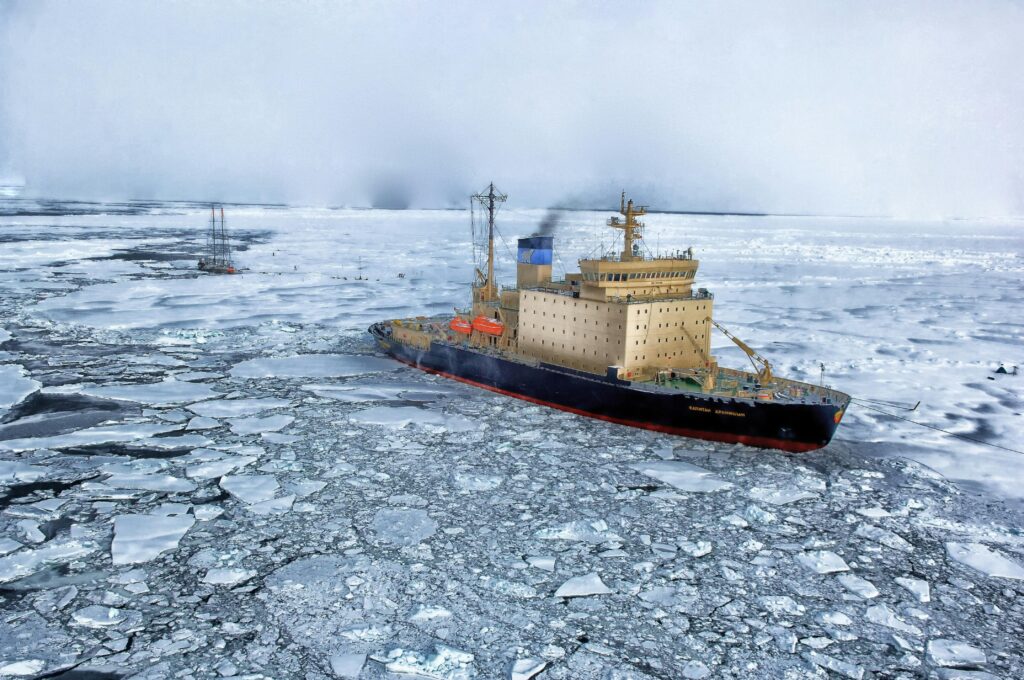
With disruptions in the Strait of Hormuz and tightening geopolitical frictions around traditional shipping lanes, India is showing renewed interest in the Northern Sea Route (NSR) — the Arctic corridor along Russia’s northern coast that cuts transit times between East Asia and Europe.
“The Indian side is very interested in it,” Alexey Chekunkov, Russia’s minister for the development of the Far East and the Arctic, told RT on the sidelines of the St Petersburg International Economic Forum. The NSR can shorten voyages between East Asia and northern Europe by roughly 30–40 per cent and shave as much as two weeks off voyages that currently transit the Suez Canal, proponents say.
Russia pushes infrastructure and commercial ties
Kremlin-aligned authorities have invested heavily to make the NSR commercially viable: upgrades to ports, icebreaking capacity and navigation systems, and preferential tariffs for transits. Russia has already demonstrated the route’s operational potential — Gazprom in 2023 delivered its first cargo of liquefied natural gas to China via the NSR, a voyage Moscow said saved about two weeks compared with conventional routes. At SPIEF 2026, Chekunkov proposed extending the operational Russia-India sea transport corridor — the Eastern Maritime Corridor (EMC) linking Vladivostok and Chennai — northward to connect Indian trade flows into the NSR network.
A pragmatic Indian interest
Indian officials and businesses have pragmatic incentives to explore the route. The revival of the Eastern Maritime Corridor, which became operational in 2024, has already reopened a direct link between Chennai — India’s second-largest container hub — and Vladivostok. Indian imports of Russian mineral fuels and fertilisers have risen sharply since 2022 after Western sanctions reshaped trade patterns, prompting New Delhi to seek diversified, lower‑cost logistics options. Indian shipyards are also building four non‑nuclear icebreakers to support trans‑Arctic navigation, an indication of concrete commitment beyond diplomatic rhetoric.
Economic gains and operational caveats
The principal attraction is purely commercial: shorter sailing distances and time savings can reduce fuel and charter costs and improve supply‑chain resilience. Estimates cited by stakeholders put distance savings at up to 40 per cent versus Suez routings on certain East Asia–northern Europe pairs and time savings approaching two weeks. But the NSR remains seasonal and weather‑dependent, with ice conditions that still require ice‑class tonnage or escorting icebreakers. Insurance, search‑and‑rescue infrastructure, and reliable year‑round navigational services remain developing areas. Environmental risks and regulatory uncertainty — including potential restrictions from Arctic states and insurance markets wary of polar operations — also weigh on commercial appetites.
Strategic implications
For Moscow, turning the NSR into a major artery would be both an economic and geopolitical win: it monetises Arctic infrastructure and bonds trade partners to Russian-controlled maritime routes. For New Delhi, the corridor offers an alternative to chokepoints such as the Strait of Hormuz and the Suez Canal, and a way to deepen ties with the Russian Far East. “We have dramatic common capabilities, common opportunities to jointly develop ice‑level fleet to jointly develop container shipping, which is happening,” Chekunkov said.
Operationalising the NSR as a reliable India–Europe corridor will require continued investment, commercial pilots to prove cost savings net of ice‑specific premiums, and clearer regulatory and insurance frameworks. In the near term, the EMC between Vladivostok and Chennai offers a pragmatic stepping stone: its revival since 2024 has already seen container shipments of crude, metals and textiles to Indian ports.
Whether that foothold will translate into regular trans‑Arctic flows linking Indian exporters directly into northern and eastern European markets depends on how quickly stakeholders can reduce the technical, environmental and financial frictions that still make the NSR a niche option rather than a wholesale replacement for established routes.
Most Popular

1 day ago
Fraudulent websites, emails target football fans as soccer fever grips the world
Cyber criminals are the global interest exploiting FIFA World Cup 2026 by deploying fraudulent…
3 days ago
Grasim to invest ₹3,000 crore to expand Lyocell capacity in Karnataka
The firm Group plans to increase its Cellulosic Staple Fibre capacity beyond 1 million…
2 days ago
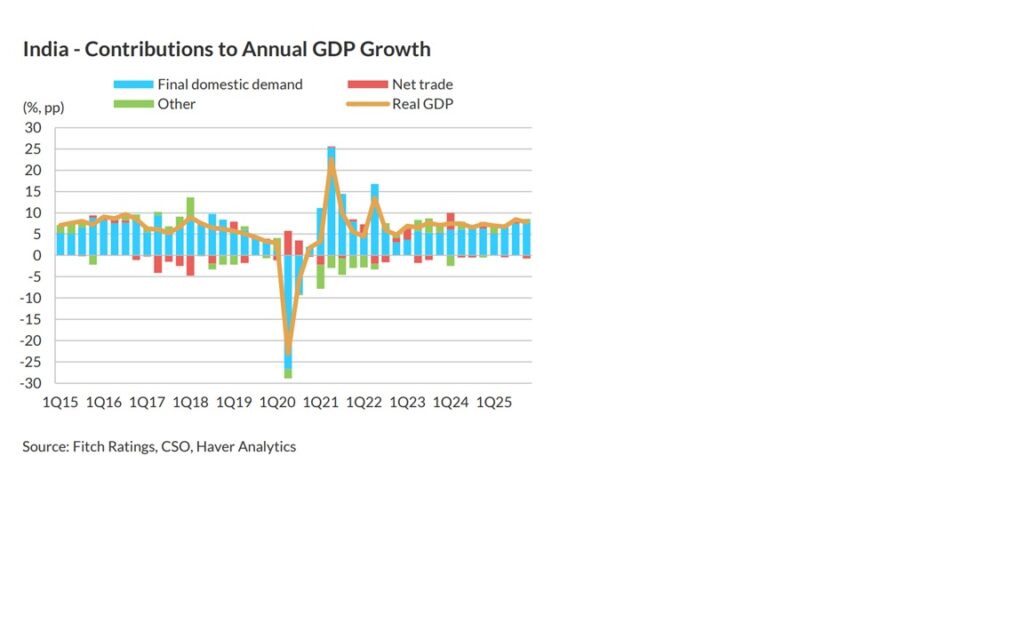
Rising energy prices, WA war to drag India FY26 GDP growth to 7.4%: Fitch
The rating agency expects overall GDP growth to ease to 6.4% in FY27, a…
4 days ago
Data consumption boom, tariff hikes to drive recovery in India telecom
A structural shift towards intense data consumption and upcoming tariff resets are set to…
