
News
19 - 05 - 2026
War emerges as the number one political risk: study
Pakistan experienced the highest number of events at 11, followed by Indonesia. Other nations with high activity include the US, Greece, Tunisia, Hungary, Iran, and India.
War has emerged as the number one political violence risk for more than 50% of companies globally as escalating conflicts redraw the global risk landscape, according to a report by insurer Allianz Commercial.
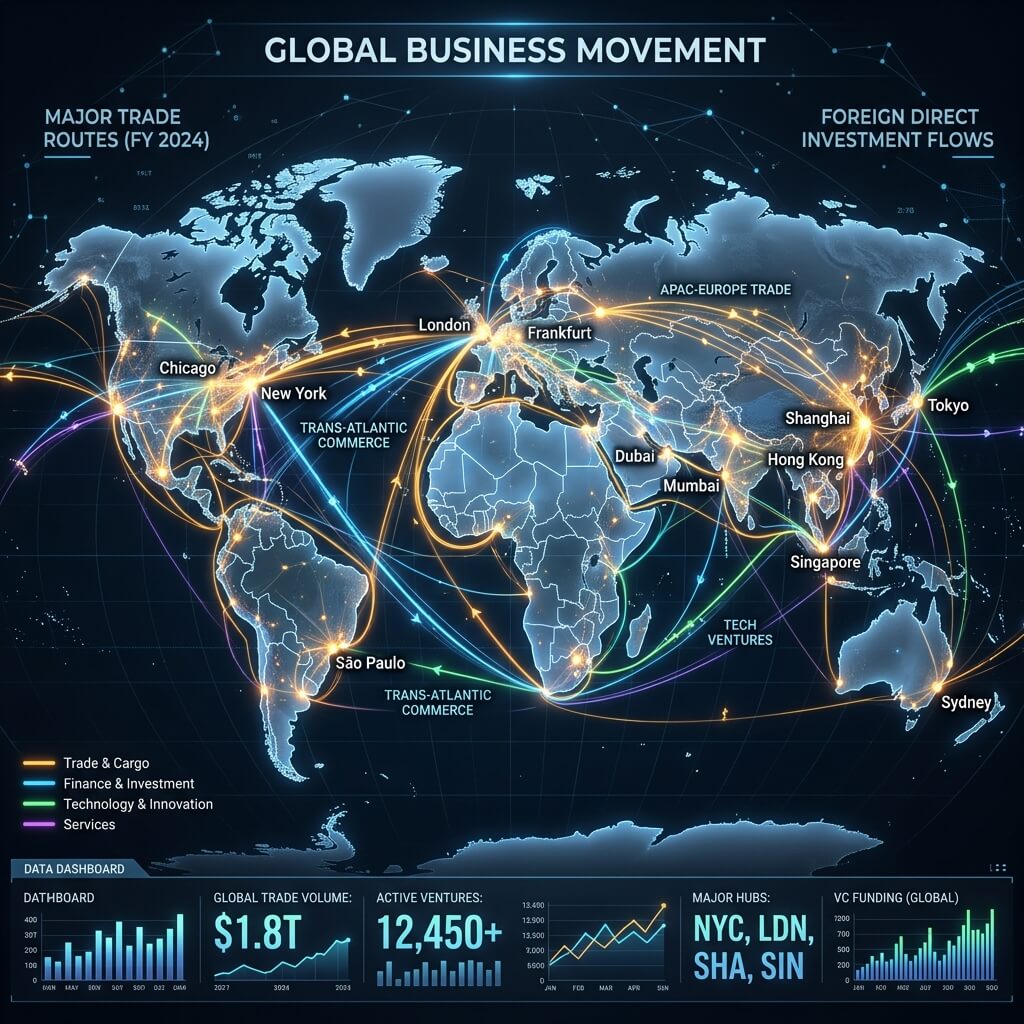
The report revealed that war has overtaken civil unrest as the primary exposure firms fear most, chosen by 53% of respondents globally. The surge in concern comes as conflicts in Europe and the Middle East disrupt global trade flows, strain political alliances, and heighten risks to business assets.
Around 60% of respondents from Europe and Asia-Pacific now view war as their top risk, it said.
The ongoing conflict between the United States and Iran is currently dominating news cycles and significantly disrupting the global economy. Based on current estimates, the financial loss quantum from the Middle East conflict has the potential to result in a costlier event for the Political Violence & Terrorism (PVT) insurance market than claims resulting from the war in Ukraine, Allianz Commercial said.
Political risks and violence climbed to number seven in the annual Allianz Risk Barometer 2026, marking its highest position ever. The report noted that civil unrest ranks as the number two risk globally at 49%, followed by terrorism and sabotage at number three at 46%.
Allianz Research tracked about 250 reported strikes, riots, and civil commotion (SRCC) events over the last five years. Pakistan experienced the highest number of events at 11, followed by Indonesia. Other nations with high activity include the US, Greece, Tunisia, Hungary, Iran, and India.
Significant insured losses occurred from major unrest in 2025. The Indonesian riots in August incurred over $50mn (approximately ₹418 crore) in insured losses. Meanwhile, Nepal’s September protests could see insured losses higher than the $200mn (approximately ₹1,672 crore) caused by the 2015 earthquake.
“Wars, the threat of future conflicts and other political violence activities are likely to undermine geopolitical and economic stability in 2026 and for years to come. For many companies, there is a visibility gap when it comes to vulnerabilities in their physical and digital supply chains due to such geopolitical risks. Being able to identify these complex exposures is crucial. Risk managers must be relentlessly forward-looking with their resilience strategies, constantly refining them to keep pace with emerging threats as they arise from multiple sources, now and in the future,” says Thomas Lillelund, CEO of Allianz Commercial.
Most Popular

4 days ago
CG Power’s consolidated Q2 net profit rises 44% to ₹409 crore
A sharp rise in Power Systems margins, swelling order book underpin the engineering conglomerate's…

4 days ago
Infosys Q2 net profit rises 6% to ₹7,823 crore
India's second-largest IT services company trims FY27 revenue guidance
3 days ago
Kotak Mahindra Bank’s profits soar, but margins refuse to join the party
Management expects the full-quarter impact of FCNR(B) deposits to weigh on margins in the…
49 minutes ago
L&T Q2 cons net profit rises 33% to at ₹5,202 crore
The group’s consolidated revenue rose 16% to ₹78,750 crore, driven by progress in its…
