
News
13 - 06 - 2026
India’s space economy set to hit $45 billion in next decade on startup boom: Union Minister
The opening up of the space sector had marked a structural shift from a government-dominated model to a commercially driven ecosystem anchored by startups, private firms and global investors
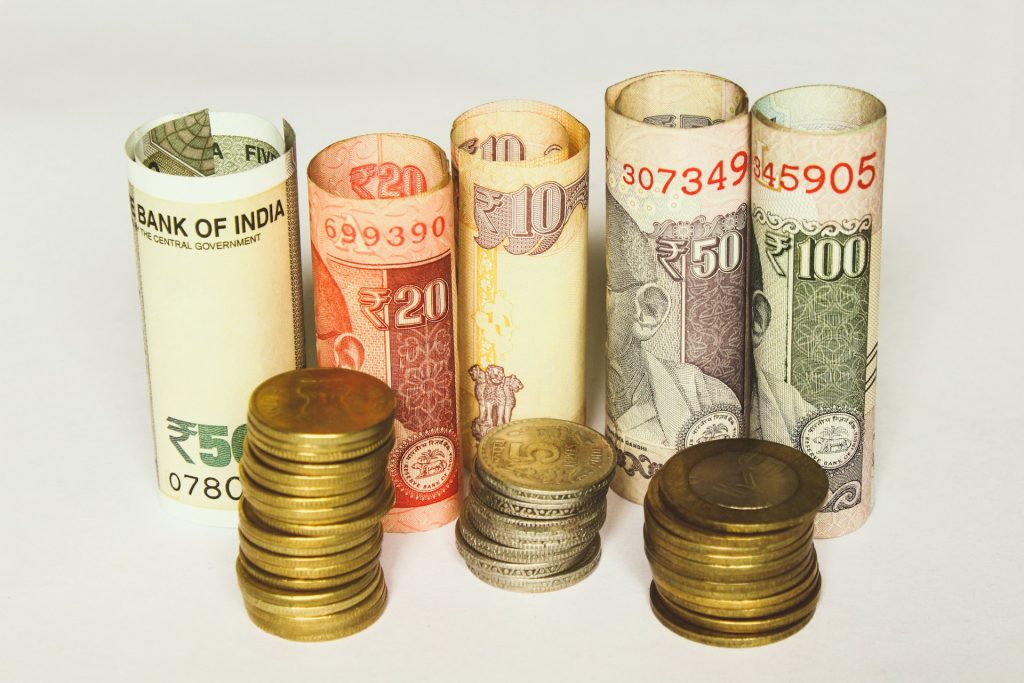
India’s space economy is poised for a nearly five-fold expansion over the next decade, rising from the current USD 8-9 billion to about USD 40-45 billion, driven by rapid private sector participation and a fast-growing startup ecosystem, Union Minister of State (Independent Charge) for Science and Technology Dr. Jitendra Singh said on Saturday.
Speaking at a science and innovation interaction in Bengaluru, Singh said the opening up of the space sector had marked a structural shift from a government-dominated model to a commercially driven ecosystem anchored by startups, private firms and global investors.
“Five years ago, after the unlocking of the space sector, India had only a single-digit number of space startups. Today, we have more than 400 space startups. Our space economy is currently valued at around USD 8-9 billion and is expected to reach USD 40-45 billion in the next eight to ten years,” he said.
He said the sector was no longer a niche scientific domain but was emerging as a strategic growth engine contributing to manufacturing, innovation, exports and high-skilled employment. “Space economy is going to be an important component of India’s overall growth story. It was not seen as such 10–15 years ago, but today it has become a key stakeholder in the country’s economic expansion,” he said.
Singh credited Prime Minister Narendra Modi for prioritising science, innovation and startups, adding that policy reforms had created a more enabling investment climate in high-technology sectors. He said landmark missions such as Chandrayaan-3 had helped improve global perception of India’s space capabilities while also expanding domestic commercial interest in the sector.
“India has successfully brought science into the mainstream public imagination, making citizens stakeholders in the country’s scientific progress,” Singh said. Addressing concerns over recent launch delays and technical setbacks, the minister said such events should not be viewed as failures but as part of the iterative process in space technology development.
“There is no such thing as failure in a space mission. These are learning experiences. India’s record remains strong compared to many advanced spacefaring nations,” he said.
He added that investor confidence in the space sector remained intact, with a growing number of missions involving private participation despite operational challenges.
Singh also highlighted the increasing integration of space technology into governance frameworks, citing programmes such as Gati Shakti and geospatial applications in infrastructure planning, urban development and public service delivery. On R&D spending, he acknowledged the need for higher investment levels but stressed that private capital and foreign direct investment would be critical to achieving global competitiveness.
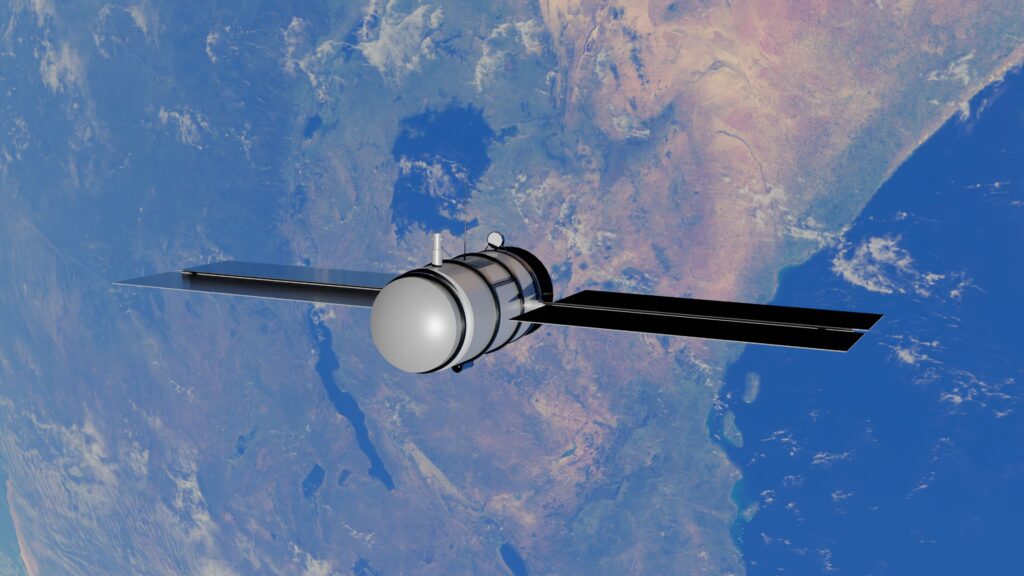
He said India’s talent base remained strong, noting that Indian professionals were leading global technology firms, but added that the challenge lay in scaling domestic funding ecosystems. Reiterating the government’s long-term roadmap, Singh said India remains committed to establishing the Bharat Space Station by 2035 and landing an Indian astronaut on the Moon by 2040.
As India accelerates reforms in the commercial space sector, the minister said the country is positioning itself as a major global hub for deep-tech innovation and space-based economic activity.
Most Popular
3 days ago
Kotak Mahindra Bank’s profits soar, but margins refuse to join the party
Management expects the full-quarter impact of FCNR(B) deposits to weigh on margins in the…

3 days ago
Tech Mahindra partners with SpaceXSI to bring Grok AI coding tools into enterprise workflows
The collaboration will target legacy application modernisation, software development and developer productivity, with a…

1 day ago
India’s Mumbai records 3,145 luxury property transactions in H1 FY27
The city registered 3,145 luxury residential property transactions worth ₹32,623 crore between April and…

4 days ago
CG Power’s consolidated Q2 net profit rises 44% to ₹409 crore
A sharp rise in Power Systems margins, swelling order book underpin the engineering conglomerate's…
