
Analysis
13 - 06 - 2026
Iran-US Deal to Lift Blockade, Open Hormuz and Dismantle Nuclear Site
If the memorandum is signed, it will launch a two-month phase of technical negotiations on eliminating uranium stockpiles, limiting nuclear activities and decommissioning Iranian nuclear facilities
“The lifting of the naval blockade, the opening of the Strait of Hormuz and the launch of negotiations on the Iranian nuclear program will be included in a future memorandum of understanding between Iran and the United States,” Iranian Foreign Minister Abbas Araqchi stated on the social network X.
“‘The Islamabad Memorandum of Understanding has never been closer’,” Araqchi wrote, urging the media to refrain from speculating about the document’s contents until negotiations are completed. “According to him, after final agreement, all details of the agreement will be made public.”
A senior US administration official said the likelihood of signing an agreement in the coming days is already about 80–85 per cent.
What’s in the Draft
The agreement, which Araqchi said includes two stages—a memorandum on ending the conflict and a final agreement addressing Iran’s nuclear power and sanctions lifting—contains these key provisions:
| Iran Commitments | US Commitments |
|---|---|
| 15–20-year renunciation of uranium enrichment | Full lifting of naval blockade |
| Dismantle nuclear facilities | Open Strait of Hormuz to navigation |
| Destroy or remove enriched uranium reserves | Obligation not to interfere in Iran’s internal affairs |
| Renounce use of force | Mutual obligation from Tehran not to interfere in US affairs |
The US and Iran will sign a “letter of intent” or memorandum of understanding as early as early next week. CBS News cited a source saying the parties consider ensuring freedom of trade through mine clearance and opening the Strait of Hormuz to navigation as the first steps.
If the memorandum is signed, it will launch a two-month phase of technical negotiations on eliminating uranium stockpiles, limiting nuclear activities and decommissioning Iranian nuclear facilities.
The Stakes: Hormuz and Oil
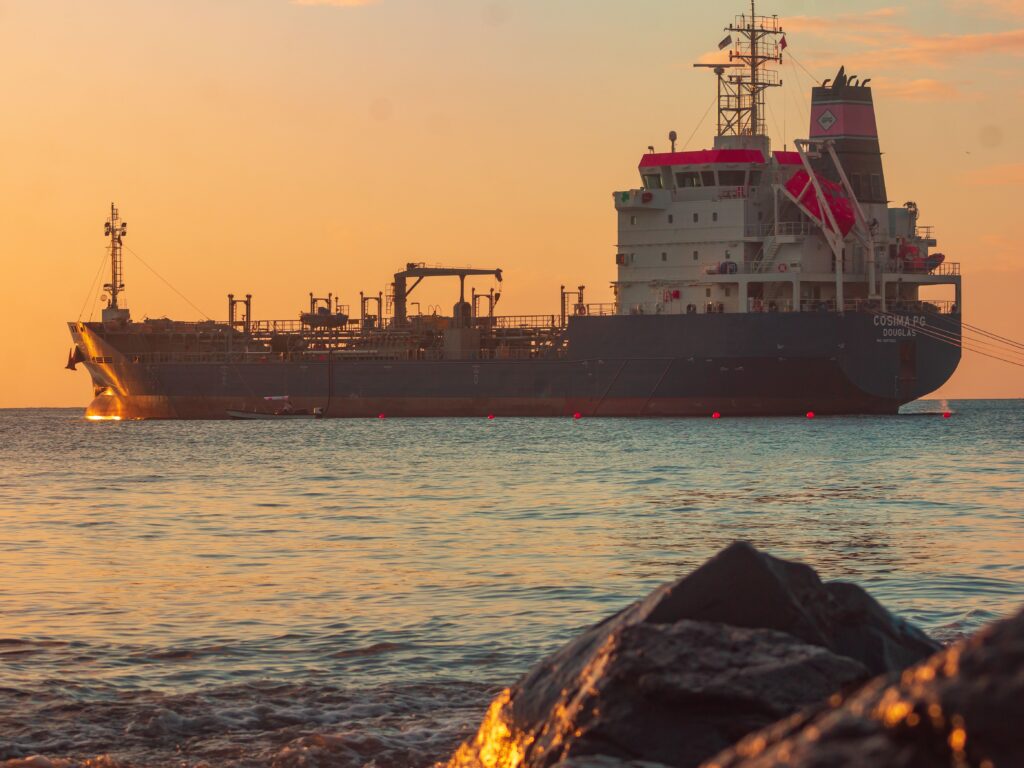
The Strait of Hormuz has never been truly closed, but shipping has been disrupted in the past and during the 2026 Iran war. The most severe escalation began in June 2025 following US and Israeli strikes on Iranian nuclear and military facilities.
Iran’s parliament voted to close the strait, and US intelligence detected preparations to mine the waterway. By March 2 this year, the IRGC officially confirmed the closure of the strait, threatening to “set fire” to any ship attempting to enter.
The deal would see:
- The Strait of Hormuz reopen immediately after the agreement is signed, without tolls
- A return to pre-war shipping volumes within 30 days
- The US blockade lifted
The Nuclear Timeline: From Atoms for Peace to 60% Enrichment
Iran’s nuclear program has a 70-year history that makes this deal particularly significant:
- 1957: The United States and Iran sign a civil nuclear co-operation agreement as part of the U.S. Atoms for Peace program
- 1967: Iran acquires the Tehran Research Reactor, provided by the U.S. under “Atoms for Peace”
- 1979: The Islamic Revolution freezes the nuclear program; the Shah departs
- 2002: Western intelligence disclose Iran’s clandestine Natanz nuclear enrichment facility
- 2003: Iran halts uranium enrichment under international pressure
- April 16, 2021: Iran commences uranium enrichment up to 60%, its highest purity recorded, approaching weapons-grade levels
- June 12, 2025: The IAEA Board of Governors finds Iran in violation of its nuclear commitments
- June 2025: Iran announces construction of a third nuclear enrichment facility
Trump’s Reaction
The US President also assessed the statement of the head of the Iranian Foreign Ministry positively Donald Trump. “In Axios’ commentary he called araqchi’s words about the memorandum ‘very positive’.”
“At the same time, Trump previously sharply criticized Iranian media publications about the content of the future deal. According to him, information disseminated in Iran that Tehran will immediately gain access to billions of dollars of frozen funds ‘has nothing to do with’ the agreed text of the document.”
Iran’s Position
Araqchi later said on Iranian state television that the country “‘won the war’ would emerge stronger.” He stressed that the agreement has not yet been signed and its provisions may change, but called the draft memorandum beneficial for Iran.
Despite the remaining differences, Washington believes that the parties are close to concluding agreements. In recent weeks Washington has managed to obtain more specific commitments from Tehran to destroy or remove enriched uranium reserves.
The draft memorandum is beneficial for Iran. The deal will be called the “Islamabad Memorandum of Understanding.” Iranian media reported that there are 14 articles in the MoU.
If a final agreement is reached within 60 days, the deal will reportedly be approved by the United Nations in the form of a binding resolution. In an era of escalating naval blockades and nuclear brinkmanship, the oldest game in geopolitics may be the most rational: exchange security guarantees for economic survival.
Venkatesh G
Most Popular
3 days ago
Kotak Mahindra Bank’s profits soar, but margins refuse to join the party
Management expects the full-quarter impact of FCNR(B) deposits to weigh on margins in the…

1 day ago
India’s Mumbai records 3,145 luxury property transactions in H1 FY27
The city registered 3,145 luxury residential property transactions worth ₹32,623 crore between April and…
50 minutes ago
L&T Q2 cons net profit rises 33% to at ₹5,202 crore
The group’s consolidated revenue rose 16% to ₹78,750 crore, driven by progress in its…
4 days ago
Infosys Q2 net profit rises 6% to ₹7,823 crore
India's second-largest IT services company trims FY27 revenue guidance
