
Features
02 - 07 - 2026
From trash to Tesla: How plastic bottles could solve the graphite bottleneck
By combining shredded PET waste with minuscule quantities of graphene oxide, researchers have developed a chemical upcycling method that converts everyday plastic waste into highly ordered synthetic graphite
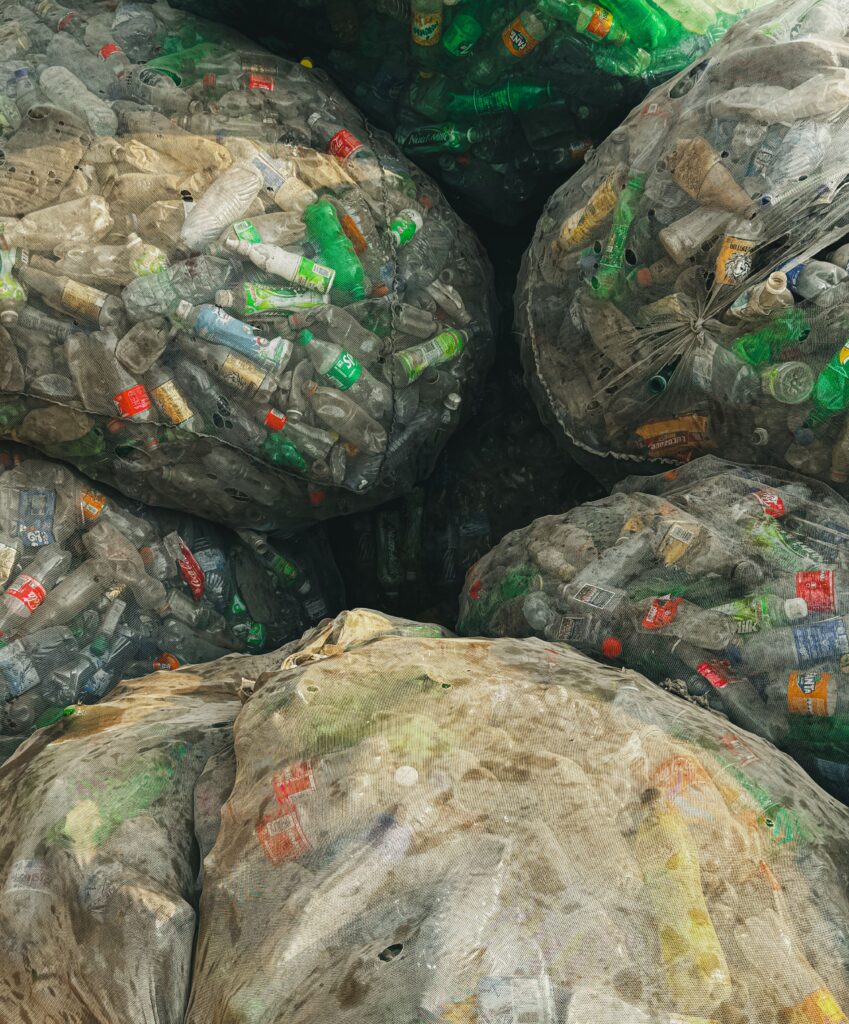
Every empty plastic bottle represents a paradox of the modern economy: a highly engineered hydrocarbon structure that is routinely discarded after a single use. However, a breakthrough by a research team at Pennsylvania State University suggests that waste polyethylene terephthalate (PET) could be systematically diverted into the heart of the clean energy transition.
By combining shredded PET waste with minuscule quantities of graphene oxide, the researchers have developed a chemical upcycling method that converts everyday plastic waste into highly ordered synthetic graphite. The process, outlined in the journal *Diamond and Related Materials*, offers a dual solution to two of the most pressing industrial challenges of the decade: the mounting global crisis of plastic accumulation and the acute structural shortage of battery-grade minerals.
The mineral bottleneck
Graphite is the quiet workhorse of the energy transition. Serving as the primary component of lithium-ion battery anodes, it is the material responsible for storing and releasing electrical charge in everything from mobile phones to utility-scale grid storage and electric vehicles (EVs). Because a typical EV requires dozens of kilograms of the material, governments across the US and the European Union have classified graphite as a critical mineral.
The supply chain for battery-grade graphite is under intense geopolitical and environmental strain. Natural graphite mining is resource-intensive and geographically concentrated, while traditional synthetic graphite manufacturing relies heavily on petroleum coke feedstocks and polluting chemical purifications. The Penn State method bypasses these traditional supply constraints by turning an abundant, unmined carbon source—municipal plastic pollution—into a strategic industrial asset.
Traditional Synthetic Graphite
Petroleum Coke / Coal Tar ──> High-Temp Baking ──> Heavy Metal Catalysts ──> Acid Leaching (Waste Stream)
Upcycled PET Graphite
Municipal Plastic Waste ──> Graphene Oxide (2.5%) ──> Thermal Templating ──> High-Purity Graphite
An elegant template
Previous attempts to transform recycled polymers into crystalline graphite have struggled with low yields and structural impurities. Historically, synthetic graphite producers have relied on transition metal catalysts—such as iron, nickel, or cobalt—to force carbon atoms into aligned patterns. However, these metals leave behind microscopic remnants that must be washed out using aggressive chemical processing, creating toxic waste streams and adding significant manufacturing costs.
The team, led by doctoral researcher Shakshi Sekar and professor of energy and mineral engineering Randy Vander Wal, eliminated these metals entirely. Instead, they introduced an optimum 2.5 per cent by weight of graphene oxide into the shredded plastic.
During precisely controlled thermal treatment, the oxygen-containing functional groups decorating the edges of the graphene oxide sheets served as molecular signposts. They promoted the lateral growth of carbon crystals, while the flat surfaces of the graphene acted as microscopic blueprints, guiding the volatile carbon atoms from the decomposing plastic to stack into highly ordered, defect-free crystalline structures.
Refining the circular economy
Remarkably, the resulting synthetic material exhibited crystallite dimensions and structural order that exceeded those typically measured in high-quality commercial natural graphite samples. This degree of structural perfection is the ultimate indicator of an anode’s electrochemical efficiency and longevity.
The elimination of the catalyst-removal phase drastically simplifies the downstream production process. By avoiding acid-washing and metal-leaching cycles, the methodology offers a significantly cleaner environmental footprint than incumbent synthetic processing techniques.
While the researchers acknowledge that further benchmarking is required to test long-term battery cycling performance and to map out the economic feasibility of industrial scale-up, the foundational chemistry signals a paradigm shift. If municipal waste streams can reliably serve as high-performance feedstocks for advanced energy materials, plastic ceases to be merely a structural disposal crisis—it becomes a sovereign resource for the clean energy economy.
Most Popular

4 days ago
CG Power’s consolidated Q2 net profit rises 44% to ₹409 crore
A sharp rise in Power Systems margins, swelling order book underpin the engineering conglomerate's…

4 days ago
DCGI Approves Toripalimab Combination Therapy for Advanced Oesophageal Cancer in India
Dr Reddy’s Laboratories’ Zytorvi, combined with cisplatin and paclitaxel, gains a first-line indication for…
1 hour ago
L&T Q2 cons net profit rises 33% to at ₹5,202 crore
The group’s consolidated revenue rose 16% to ₹78,750 crore, driven by progress in its…
3 days ago
Kotak Mahindra Bank’s profits soar, but margins refuse to join the party
Management expects the full-quarter impact of FCNR(B) deposits to weigh on margins in the…
