
Analysis
29 - 09 - 2026
Indian gov bans paraquat herbicide, revokes existing certificates
The ministry cited “serious risks to human beings and animals” requiring immediate state intervention
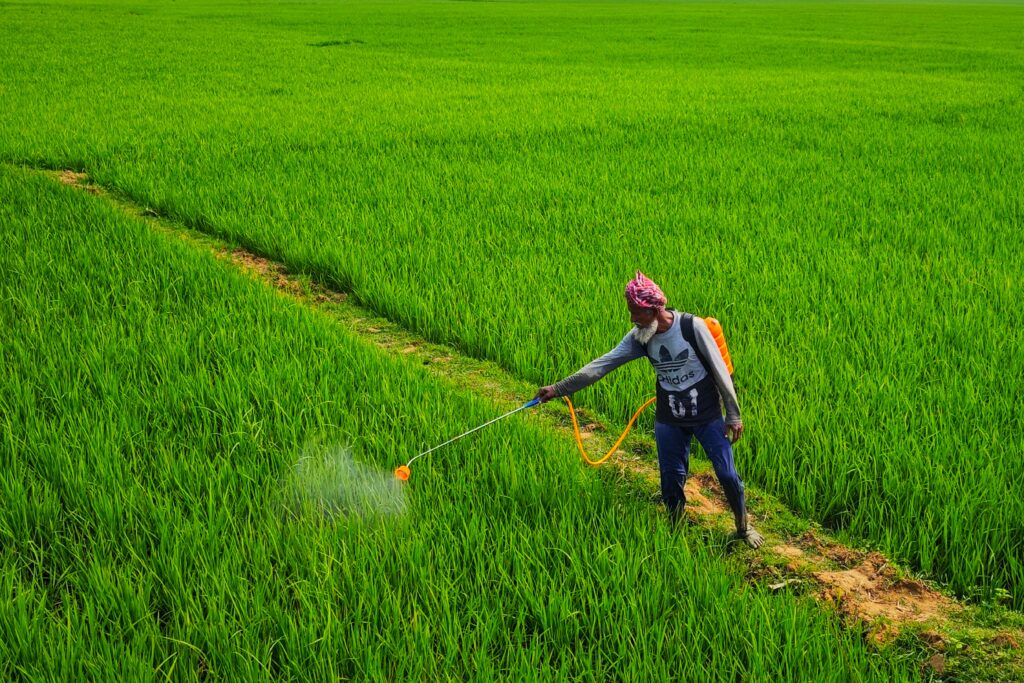
India has formally banned paraquat dichloride, one of its most widely used and fiercely debated crop protection chemicals, ending months of intense regulatory scrutiny.
In an executive order published on September 22 under the Insecticides Act, the Ministry of Agriculture and Farmers Welfare revoked all existing registration certificates for the non-selective herbicide and prohibited new applications. The ministry cited “serious risks to human beings and animals” requiring immediate state intervention.
Under order S.O. 5234(E), holders of registration certificates must immediately surrender them to the government’s Registration Committee or face statutory penalties. Because Indian law forbids the import, manufacture, distribution, or sale of unregistered crop protection products, the directive effectively pulls paraquat from the domestic market.
The decision marks the culmination of a regulatory review initiated in January, when the ministry established an Expert Committee to reassess the chemical’s safety profile. Following the committee’s report in June, the Registration Committee recommended a complete phase-out, highlighting that paraquat is already banned or severely restricted in more than 70 nations due to high fatality rates from accidental or deliberate ingestion and the lack of a known antidote.
Regulators also raised alarms over widespread off-label use. Registered in India strictly as a contact herbicide for weed control in orchards, plantations, and field crops, paraquat was increasingly being deployed as an unapproved desiccant to accelerate crop drying before mechanical harvesting in key commodities like mung bean and soybean.
The ban leaves formulators, distributors, and farmers scrambling to source chemical and non-chemical alternatives. While the exit will disrupt supply chains for firms dependent on high paraquat sales, agrochemical companies with well-established portfolios of alternative contact herbicides and selective weed management products stand to capture significant market share.
Attention now shifts to the implementation of the ban by state governments, which have been instructed to enforce the prohibition across regional distribution networks and determine the fate of existing inventory currently in supply channels.
A Global Pattern of Prohibition
India’s decision reflects a broader international shift away from paraquat, which has been banned or severely restricted in more than 70 countries.
First commercialized by Imperial Chemical Industries (ICI, now Syngenta) in 1962, paraquat destroys plant tissue by generating reactive oxygen species that disrupt photosynthesis. However, its chemical mechanism carries severe, irreversible risks for human health.
A dose as small as 10 to 15 milliliters, or roughly a single tablespoon, can prove fatal. Ingestion causes progressive pulmonary fibrosis—an irreversible scarring of lung tissue—alongside acute liver and kidney failure, with no known medical antidote available to reverse the effects. Epidemiological research, including long-term occupational studies, has also linked sustained paraquat exposure among agricultural workers to a significantly elevated risk of developing Parkinson’s disease. Furthermore, due to its low cost and rapid lethality, paraquat has historically been a primary agent in self-harm incidents across developing agricultural economies, prompting public health officials worldwide to push for its total withdrawal.
The European Union effectively banned paraquat in 2007 when its Court of First Instance annulled the chemical’s authorization over worker safety concerns. China followed with a phased domestic phase-out between 2014 and 2020, while South Korea, Thailand, and Brazil enacted complete prohibitions. In contrast, the United States Environmental Protection Agency continues to permit paraquat under strict Restricted Use Pesticide status for licensed commercial applicators, though individual states have begun proposing legislative bans.
Supply Chain Realignment
The ban leaves formulators, distributors, and farmers scrambling to source chemical and non-chemical alternatives. While the exit will disrupt supply chains for firms dependent on high paraquat sales, agrochemical companies with well-established portfolios of alternative contact herbicides and selective weed management products stand to capture significant market share.
Attention now shifts to the implementation of the ban by state governments, which have been instructed to enforce the prohibition across regional distribution networks and determine the fate of existing inventory currently in supply channels.
By Venkatesh G
If you spotted a mistake or have feedback on this story, write to us at editor@newsassociate.com. Email us your press releases on the same ID.
Most Popular

1 day ago
India’s Mumbai records 3,145 luxury property transactions in H1 FY27
The city registered 3,145 luxury residential property transactions worth ₹32,623 crore between April and…

4 days ago
Infosys Q2 net profit rises 6% to ₹7,823 crore
India's second-largest IT services company trims FY27 revenue guidance

3 days ago
Kotak Mahindra Bank’s profits soar, but margins refuse to join the party
Management expects the full-quarter impact of FCNR(B) deposits to weigh on margins in the…

4 days ago
DCGI Approves Toripalimab Combination Therapy for Advanced Oesophageal Cancer in India
Dr Reddy’s Laboratories’ Zytorvi, combined with cisplatin and paclitaxel, gains a first-line indication for…
