
News
01 - 04 - 2026
Cement sector margins at risk as energy costs climb in new fiscal
Surge in fuel costs to hit cement players to the tune of ₹200 per tonne starting in the Q1 of FY27

By Our Correspondent
Mumbai, April 1, 2026
Indian cement manufacturers are projected to face a significant squeeze in profit margins starting in the first quarter of FY27, impacted by a cumulative rise in fuel and packaging expenses, Equirus Securities said in a note.
The combined impact of rising petroleum coke, coal, and polypropylene bag prices is expected to increase production costs by ₹250-300 per tonne. While companies have remained relatively insulated during the final quarter of FY26 due to the consumption of low-cost inventory, this buffer is expected to dissipate as the industry enters the new fiscal period.
To counter these pressures, producers are planning price hikes in April.
The surge in energy costs has been precipitated by a sharp rally in global fuel prices over the last six months, driven largely by supply-side disruptions rather than a spike in incremental demand. The US and Saudi Arabian petroleum coke prices have jumped by about 30 per cent compared with the average exit prices of the third quarter of FY26.
These increases are primarily linked to weather-related production issues in the US and strategic production cuts in Indonesia aimed at supporting coal prices. Geopolitical tensions in early 2026 further exacerbated the situation, causing coal prices to spike as European buyers switched between gas and coal, indirectly tightening global supply.
The surge in fuel costs is expected to hit cement players to the tune of ₹200 per tonne starting in the first quarter of FY27.
Beyond energy, the industry is grappling with a severe escalation in the cost of packaging materials, which is anticipated to impact profitability by an additional ₹150 per tonne.
The price of polypropylene bags, a staple for the sector, has nearly doubled from ₹8.5 per bag prior to January to about ₹15.3 per bag. This shift is attributed to a ₹59 per kg increase in raw material costs, as refineries have prioritised gas production over polypropylene.
While raw material availability is stable now, manufacturers with less efficient procurement policies are facing potential stock-out situations. The suddenness of this increase has made long-standing government supply orders unfeasible for many bag manufacturers, who are now prioritising private sector clients to maintain financial viability.
Price hikes
To offset the mounting cost pressures, the industry is looking toward a new round of price adjustments scheduled to take effect from April 5, 2026. Channel checks indicate that manufacturers in the southern region are seeking steep hikes of about ₹50 per bag, while other regions are targeting increases of ₹20-30 per bag.
Specifically, hikes of ₹25 are expected in the north and ₹30 in the east, with central and western markets aiming for ₹20. However, analysts remain cautious about the success of these measures, projecting that only about ₹30 of the proposed ₹50 hike may be successfully absorbed in the south.
The ability of the industry to defend these prices will be critical in determining whether the sectoral profitability can withstand the escalating cost environment of the coming months.
Most Popular
2 hours ago
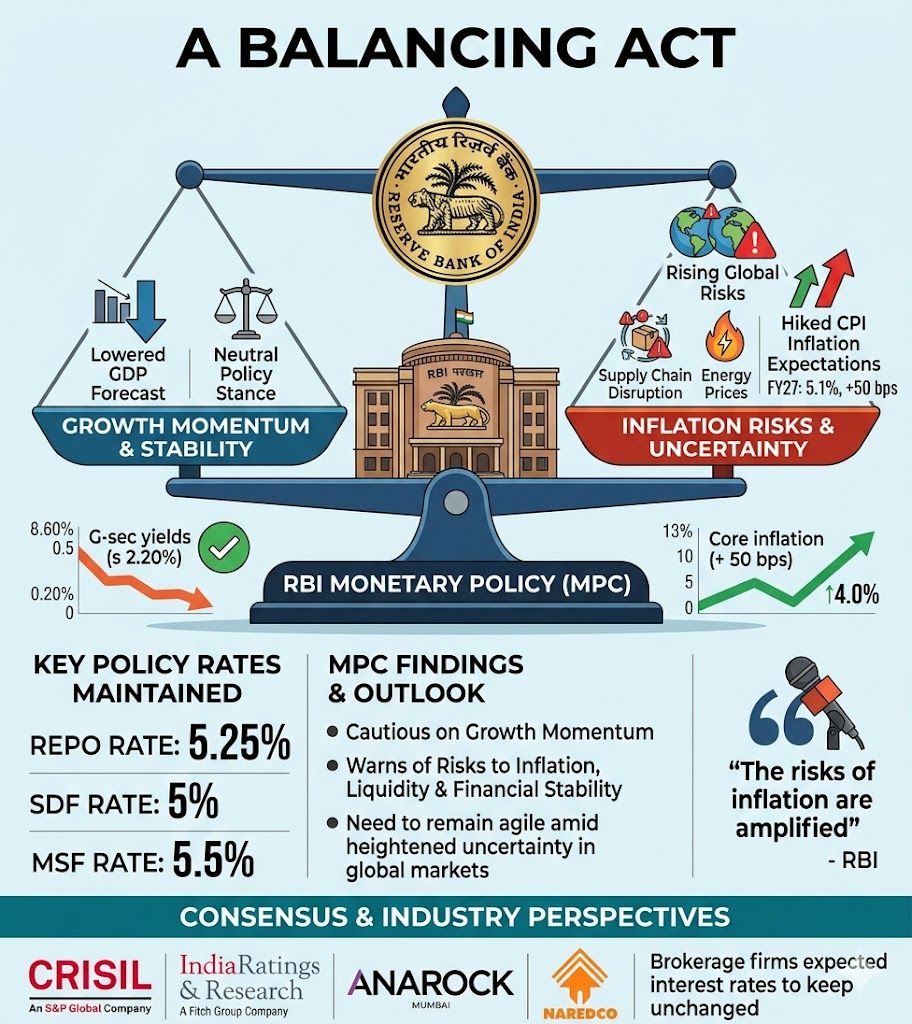
RBI keeps repo rate at 5.25% amid slowing growth, rising inflation risks
RBI has prioritised market agility and financial stability by freezing interest rates, even as intensifying geopolitical tensions force a sharp upward revision to inflation forecasts.
4 hours ago
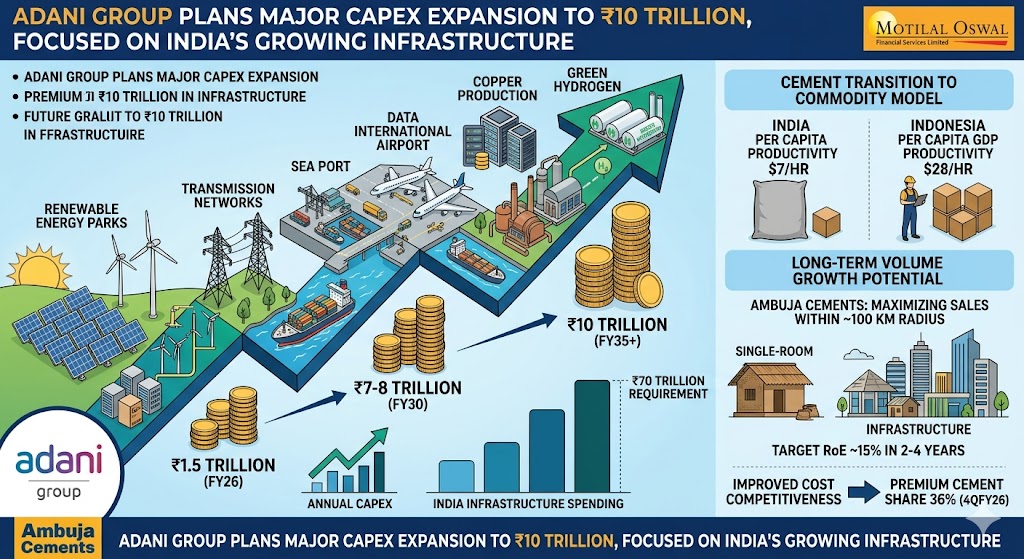
Adani Group to hike capex to ₹7-8 lakh crore by FY30
The group had invested ₹1.5 trillion in FY26, the largest by an Indian corporate.

4 hours ago
India polishes G-Sec investment rules for FPIs
The Central Government has eliminated Capital Gains Tax on foreign investments in government securities, enhancing the attractiveness of Indian sovereign bonds for international investors. This initiative coincides with India’s efforts to draw stable foreign capital amidst global uncertainties, rising oil prices, and intermittent pressures on the rupee. By enhancing post-tax returns for foreign investors, India …

4 hours ago
RBI eases path for global Indian capital to come home
This represents one of the most extensive capital-attraction initiatives in recent times To support India’s external financing position in the face of global uncertainty, the Reserve Bank of India (RBI) has undertaken one of the most extensive initiatives in recent years, relaxing foreign investment regulations concerning government bonds, equities, external commercial borrowings (ECBs), FCNR(B) deposits, …
